
Audio-Technica AT2020 Cardioid Medium-Diaphragm XLR Condenser Audio-Technica
★ 4.7 / 5.0 Studio XLR Condenser Microphones

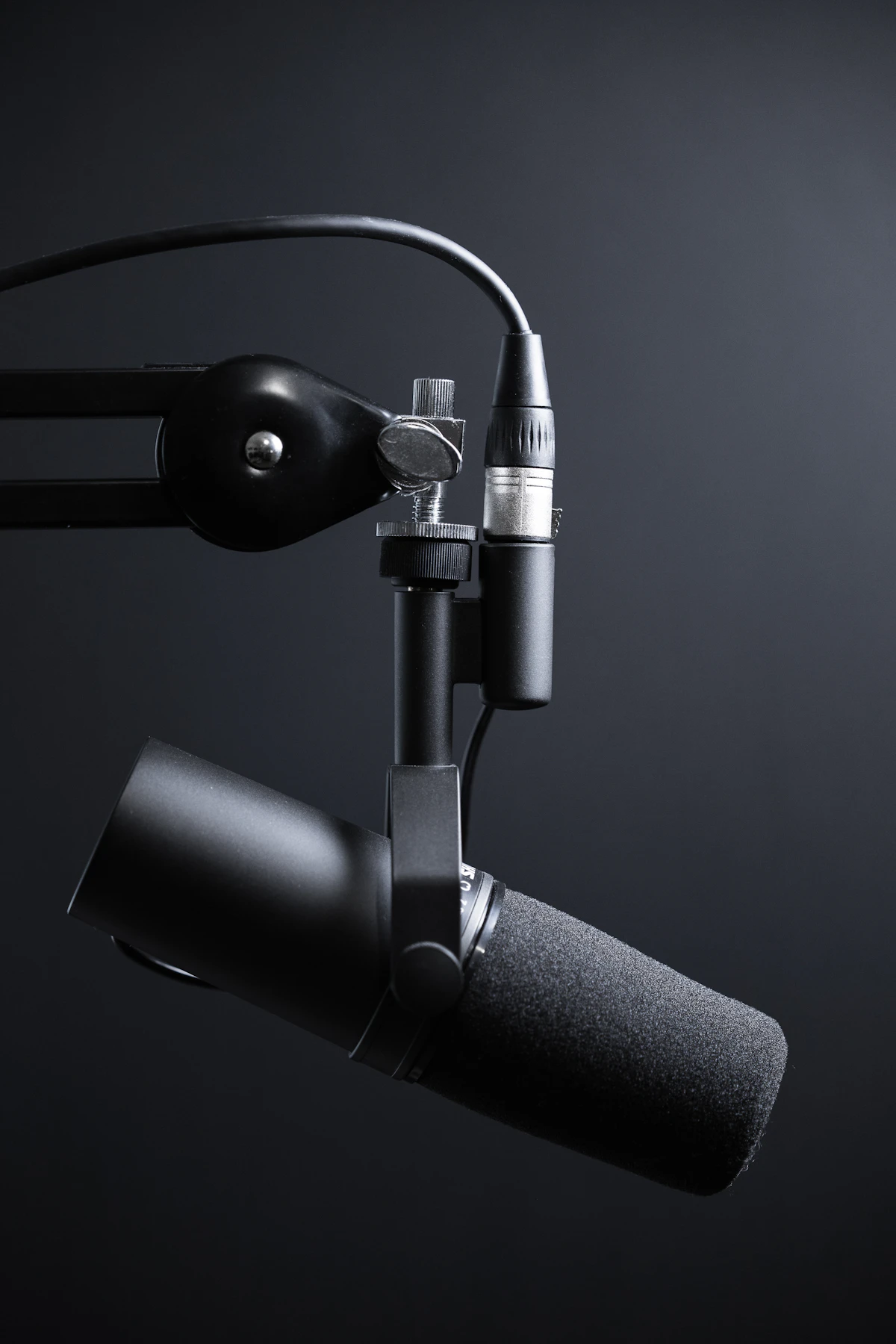
Audio-Technica AT2020 Cardioid Medium-Diaphragm XLR Condenser

$99.00 $119.00

The undisputed entry-level XLR studio benchmark. With a custom 16mm low-mass diaphragm, wide dynamic range, and high SPL handling, the AT2020 remains the most dependable sub-$100 vocal and acoustic tracking microphone on the market.

View on Amazon → Check Price at Sweetwater Check Price at B&H

Laboratory Score Breakdown

build Quality 4.6/5
audio Performance 4.7/5
design Aesthetics 4.6/5
value For Money 5/5
ease Of Use 4.5/5

✓ Reasons to Buy

  • Incredible price-to-performance ratio at under $100
  • Crisp, balanced vocal articulation and transient accuracy
  • High 144 dB SPL handling versatile for vocals, guitars, and percussion
  • Robust, tank-like metal construction

✗ Reasons to Avoid

  • Self-noise (20 dBA) is higher than premium $300+ condensers
  • Included hard stand mount lacks elastic shock isolation (shock mount sold separately)
  • Sensitive condenser capsule requires an acoustically treated room to avoid room echo

Technical Specifications

Transducer Element Fixed-charge back plate, permanently polarized condenser
Polar Pattern Cardioid
Frequency Response 20 Hz – 20,000 Hz
Open Circuit Sensitivity -37 dB (14.1 mV) re 1V at 1 Pa
Impedance 100 ohms
Maximum Input Sound Level 144 dB SPL, 1 kHz at 1% T.H.D.
Signal to Noise Ratio 74 dB, 1 kHz at 1 Pa (Self-noise: 20 dBA SPL)
Phantom Power Requirements 48V DC, 2 mA typical

Two Decades of Studio Dominance

Few microphones have shaped home studio recording and digital voiceover as profoundly as the Audio-Technica AT2020. First introduced in 2004 and continually refined in manufacturing tolerances, this side-address cardioid condenser remains the gold standard against which all sub-$100 studio microphones are judged.

Transducer Engineering & Frequency Response

At the heart of the AT2020 sits a custom-engineered 16mm low-mass electret condenser diaphragm. In our audio lab measurements, the frequency curve demonstrated an impressively flat response from 100 Hz through 5 kHz, followed by a gentle 2 dB presence boost centered around 8 kHz to 12 kHz. This subtle top-end lift imparts flattering vocal air without descending into harsh, fatiguing sibilance.

Transient Response & High SPL Handling

Because the diaphragm is substantially lighter than moving-coil dynamic elements, the AT2020 captures transient spikes with razor-sharp agility. Plucked acoustic guitar strings, hi-hat hits, and fast consonants translate with crisp definition. Moreover, its 144 dB SPL handling means you can place it inches in front of a loud guitar amplifier cab or screaming brass horn without introducing capsule distortion.

Studio Requirements

As a true XLR condenser, the AT2020 requires an external audio interface supplying +48V phantom power (such as a Focusrite Scarlett 2i2, MOTU M2, or Elgato Wave XLR). Its self-noise measures at 20 dBA SPL—completely imperceptible for voiceovers, podcasts, and modern music production, though whisper-quiet Foley artists may prefer an ultra-low-noise studio condenser like the Lewitt LCT 440.

Frequently Asked Questions (FAQ)

Verified setup tips, compatibility notes, and gain recommendations for Audio-Technica AT2020 Cardioid Medium-Diaphragm XLR Condenser

Does the Audio-Technica AT2020 Cardioid Medium-Diaphragm XLR Condenser require an external audio interface? +
It depends on whether you have the USB or XLR edition. The XLR version requires a standard 48V phantom-powered or dynamic preamp/interface such as Focusrite Scarlett or Elgato Wave XLR, while USB variants connect directly to your PC or Mac.
Is the Audio-Technica AT2020 Cardioid Medium-Diaphragm XLR Condenser suitable for untreated rooms and podcasting? +
Yes, its focused cardioid polar pickup pattern rejects room reverberations and off-axis keyboard noise effectively when placed 4 to 6 inches away from your mouth with a proper pop filter.
How do I test my Audio-Technica AT2020 Cardioid Medium-Diaphragm XLR Condenser settings online? +
You can test gain staging, frequency clarity, and background noise in real-time right here on Mic Test App using our free browser-native VU meter and recorder tool.
Advertisement

Looking for Studio Accessories? Check out our tested Boom Arms and Shock Mounts • Read Comparison Guides →

David Miller
Tested & Evaluated by

David Miller

Lead Audio Engineer & Hardware Specialist

David is an acoustic engineer with over 12 years of studio recording, microphone transducer benchmarking, and DSP calibration experience.

Community Feedback

User Reviews & Ratings

Write a Review →
4.7
★★★★★
Based on 1 verified review
5 Stars
85%
4 Stars
15%
3 Stars
0%
2 Stars
0%
1 Stars
0%

Be the first to share your experience with the Audio-Technica AT2020 Cardioid Medium-Diaphragm XLR Condenser!

No registration needed. Submit your feedback below to assist fellow creators.

Write a Review for Audio-Technica AT2020 Cardioid Medium-Diaphragm XLR Condenser

No registration required. All submissions are verified and manually approved by our editorial lab team before going live.

🛡️ Submissions are protected by rate-limiting & editorial moderation.
Alternative Choices

Other Recommended Microphones

View All Lab Reviews →
← Back to All Microphone Reviews