
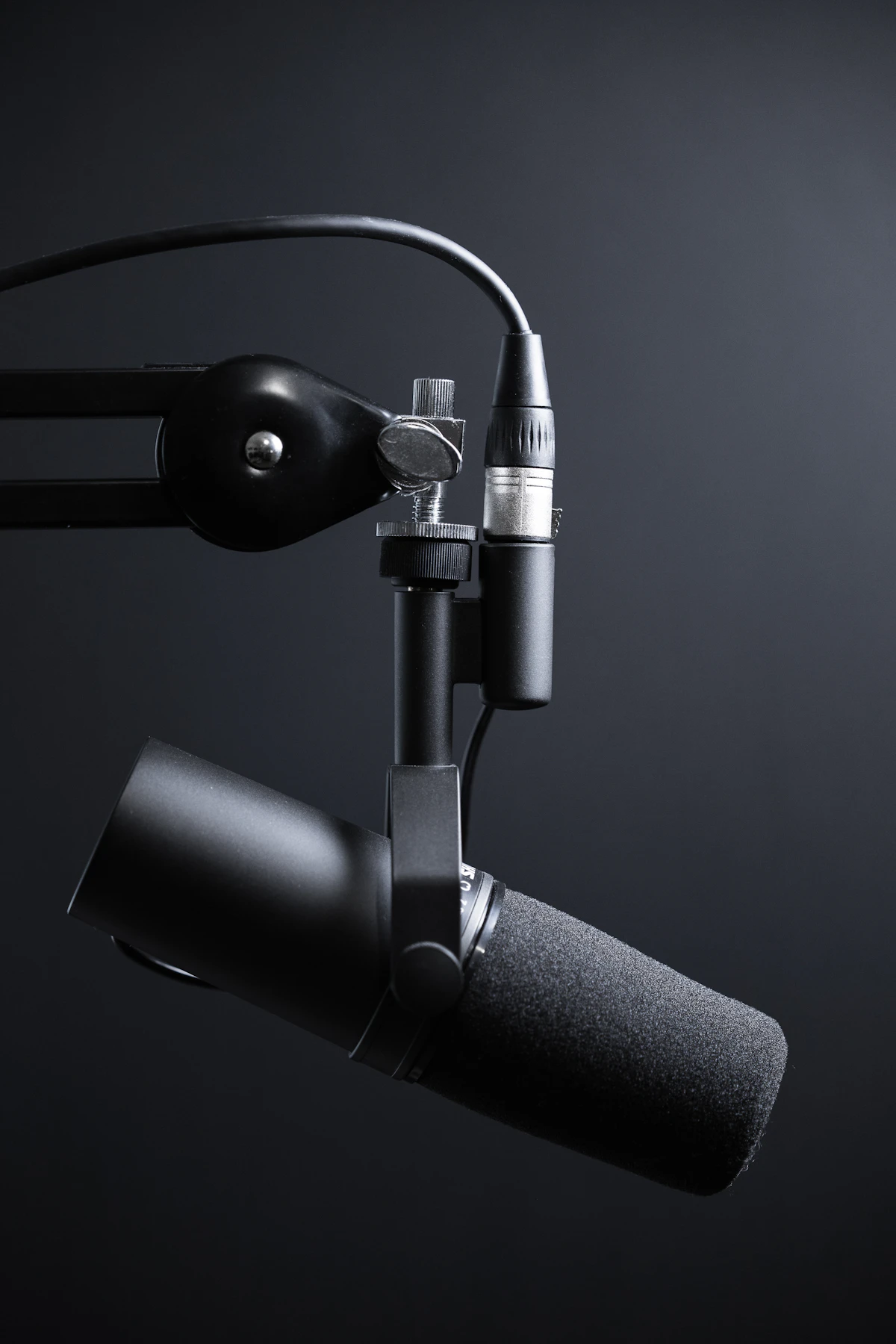
For decades, sound recordists lived in fear of sudden shouts clipping their preamps. With the emergence of 32-bit floating point wireless systems (such as the Rode Wireless PRO and DJI Mic 2), that anxiety is vanishing.
How 32-Bit Float Prevents Audio Clipping
Standard 24-bit fixed-point audio provides 144 dB of dynamic range, which requires precise gain staging to avoid clipping. In contrast, 32-bit float utilizes dual analog-to-digital converters—one tuned for faint whispers, the other for deafening sound pressure levels.
By storing audio with an 8-bit exponent and a 24-bit mantissa, 32-bit float delivers an astounding 1,528 dB of theoretical dynamic range. This means even if a creator screams directly into the microphone at a concert, you can simply pull the clip gain down in your video editor and restore an unclipped, perfectly preserved waveform.
Limitations to Keep in Mind
While 32-bit float prevents digital clipping at the converter level, it cannot protect against physical microphone capsule distortion if the SPL exceeds the physical diaphragm's mechanical threshold. Always choose capsules with at least 120 dB SPL handling.
Reader Comments (0)
Leave a Comment ↓No comments yet on this guide. Join the discussion below!
No registration needed. Share your questions or audio setup tips.Join the Conversation
No registration required. All comments are moderated by administrators before appearing.